
The Future of HR: Why Gamification Is Reshaping Employee Engagement

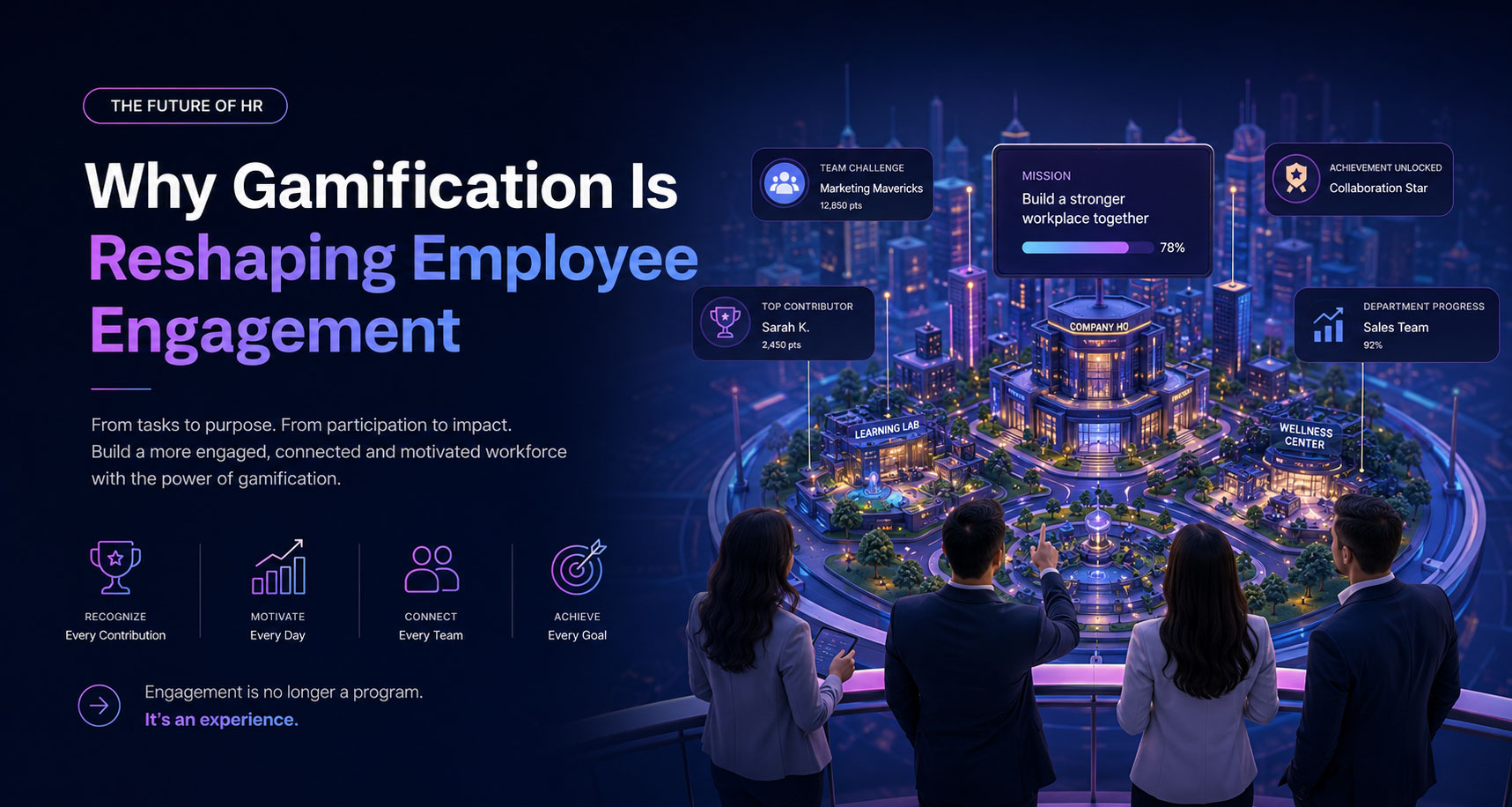
The Future of HR: Why Gamification Is Reshaping Employee Engagement
Human Resources is no longer only about administration, policies, and processes. In modern organizations, HR plays a central role in shaping culture, motivation, collaboration, and employee experience.
As workplaces become more digital, hybrid, and fast-moving, HR teams are facing a major challenge: how to keep employees connected, recognized, and actively engaged.
Many employees spend their personal lives inside highly engaging digital environments, from social platforms and mobile apps to games, fitness trackers, reward systems, and interactive communities.
Yet inside many organizations, employee engagement is still managed through static HR portals, emails, surveys, newsletters, and occasional recognition programs.
This creates a growing gap between the interactive digital experiences people use every day and the workplace systems companies rely on to engage their teams.
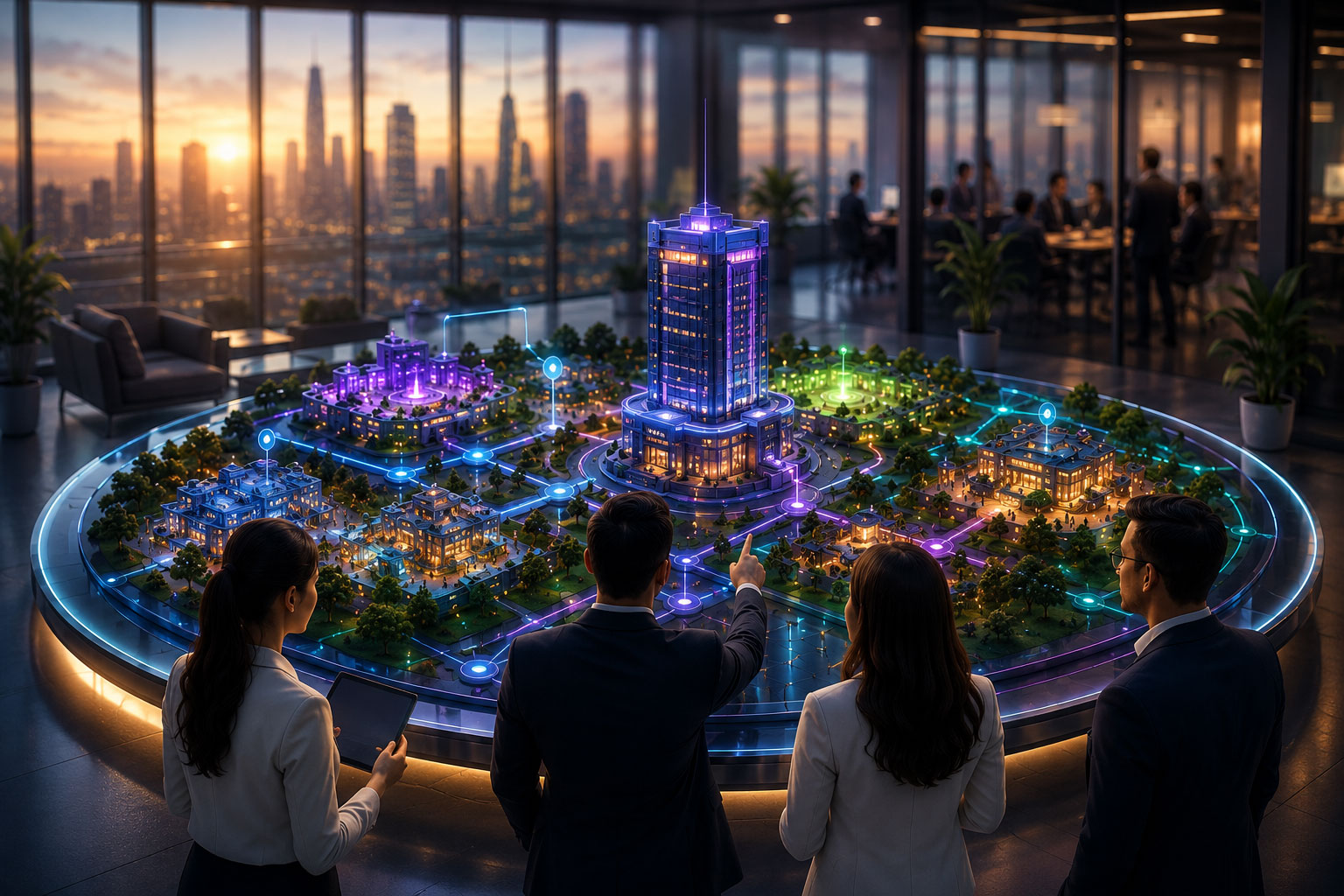
The Employee Engagement Challenge for HR Teams
Employee engagement is not only about job satisfaction. It is about whether people feel connected to their work, recognized for their contributions, aligned with company goals, and motivated to participate in the culture of the organization.
For HR leaders, this challenge becomes even more complex in hybrid and remote environments, where employees may feel disconnected from teams, departments, leadership, and the broader company culture.
Traditional engagement methods often struggle because they are passive. Employees receive information, complete surveys, attend occasional events, or read internal announcements, but they are not always invited to actively participate.
Why Traditional HR Engagement Programs Often Fail
Many HR engagement programs are built around occasional touchpoints rather than continuous participation.
Common examples include annual employee surveys, internal newsletters, one-off recognition emails, company-wide announcements, and isolated team-building events.
While these tools can be useful, they often do not create sustained motivation.
Employees may read the message, attend the event, or complete the survey, but the experience rarely continues afterward. There is no ongoing sense of progress, achievement, contribution, or shared journey.
The Psychology Behind Workplace Gamification
Gamification works because it connects with natural human motivators.
People are often motivated by progress, recognition, achievement, status, collaboration, purpose, and visible contribution.
These same principles are used in games, digital communities, wellness apps, loyalty systems, and social platforms. When applied carefully to HR and workplace engagement, they can help transform employee experience from passive communication into active participation.
The goal is not to turn work into a game. The goal is to make contribution, recognition, and progress more visible and more engaging.
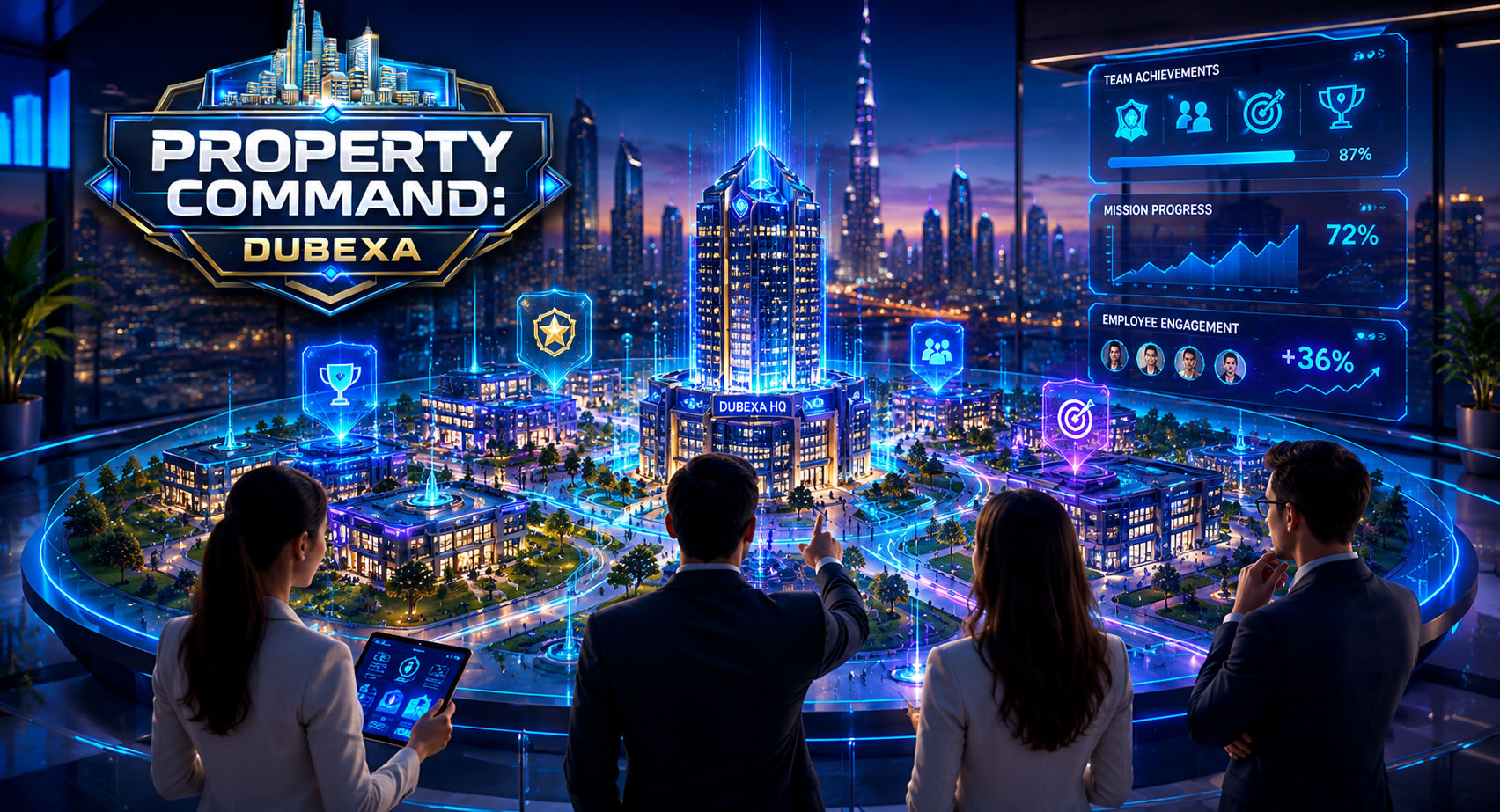
How Gamification Changes Employee Engagement
Gamification introduces structure, feedback, and motivation into workplace experiences.
Instead of asking employees to simply read updates or attend programs, HR teams can invite them to participate in missions, challenges, recognition systems, team goals, and company-wide initiatives.
Examples of gamified employee engagement include:
- Team-based challenges
- Company-wide missions
- Achievement systems
- Recognition badges
- Progress tracking
- Department competitions
- Interactive goals
- Culture and wellness initiatives
The key shift is simple: employees become participants rather than recipients.
Creating Visibility and Recognition Across the Organization
One of the biggest engagement problems inside organizations is invisible effort.
Employees may contribute to projects, support colleagues, improve workflows, or participate in company culture, but many of these actions remain unseen.
Gamified engagement systems can help make contribution visible.
Achievements become recognizable. Progress becomes measurable. Team participation becomes easier to see. Employees receive feedback that shows their contribution matters.
This visibility can strengthen motivation, belonging, and connection across the organization.
Building Engagement Across the Entire Employee Journey
Gamification does not need to be limited to onboarding or training. Its strongest value comes when it becomes part of the broader employee experience.
HR teams can use gamified systems across:
- Employee recognition
- Culture programs
- Internal campaigns
- Wellness initiatives
- Innovation challenges
- Team collaboration
- Corporate events
- Department goals
This creates a more connected workplace where employees can see progress, participate in shared goals, and feel part of a larger organizational journey.
Example: Property Command: DUBEXA as a Gamified Workforce Platform
One example of this emerging approach is Property Command: DUBEXA, a gamified workforce platform concept developed by Hybr Creative.
Inspired by strategy, simulation, and city-building environments, DUBEXA reimagines employee engagement as a shared interactive ecosystem where employees, teams, and departments contribute to organizational growth through participation, recognition, collaboration, and achievement.
Rather than treating engagement as a periodic HR initiative, DUBEXA explores how workplace participation can become continuous, visible, and rewarding.
The platform concept includes elements such as:
- Interactive organizational maps
- Team missions and challenges
- Achievement and recognition systems
- Department progress tracking
- Employee contribution visibility
- Collaborative objectives
- Company-wide engagement initiatives
Employees can see how their actions contribute to broader organizational goals, while leaders gain greater visibility into participation, collaboration, and engagement across teams.
This type of experience reflects a broader shift toward more engaging workforce platforms where participation becomes a core part of company culture rather than a separate activity.
Explore Property Command: DUBEXA
The Future of HR and Employee Engagement
The future of HR will likely combine gamification, personalization, real-time feedback, recognition systems, and interactive digital environments.
Rather than relying only on surveys and communication tools, organizations will increasingly look for systems that help employees feel involved in the company’s progress.
This is especially important for companies operating across multiple departments, locations, or hybrid work environments, where maintaining connection and participation can be difficult.
Gamified platforms can help organizations create a shared sense of movement, where employees understand how their actions contribute to team and company growth.
Final Thoughts
Gamification is reshaping employee engagement because it changes the role of employees inside organizational systems.
Instead of receiving communication passively, employees can participate. Instead of having their contributions remain invisible, they can be recognized. Instead of feeling disconnected from company goals, they can see their progress within a shared journey.
The future of HR will not be built around forms, surveys, and passive communication alone. It will be built around participation, recognition, collaboration, and shared experiences.
Organizations that successfully create these environments will be better positioned to attract, engage, and retain talent in an increasingly competitive world.
Explore Property Command: DUBEXA →
Discover More Hybr Creative Experiences →
Related Articles



HYBR
Creative

